Commercials
Thirty seconds that earn their airtime. A treatment in two days, a shoot in one or two, a cut that is shorter than the brief.
Rates
Commercials · Documentary · Branded film
A crew of five, eight to twelve films a year, and a rule that the idea is decided before the camera is. Commercials for brands with something to say; documentaries for people with something to show.
Most production companies start with the shoot and work backwards. We start with the sentence: what the film is for, who has to feel what by the end, and what the one image is that carries it. Only then do we choose a camera, a crew size, a place and a day. It is why our commercials tend to be shorter than the brief asked for, and why the documentaries get into festivals. Five of us in-house — director, producer, cinematographer, editor, sound — and a bench of freelancers we have worked with for a decade.
The reel, 2026 — ninety seconds
Thirty seconds that earn their airtime. A treatment in two days, a shoot in one or two, a cut that is shorter than the brief.
Rates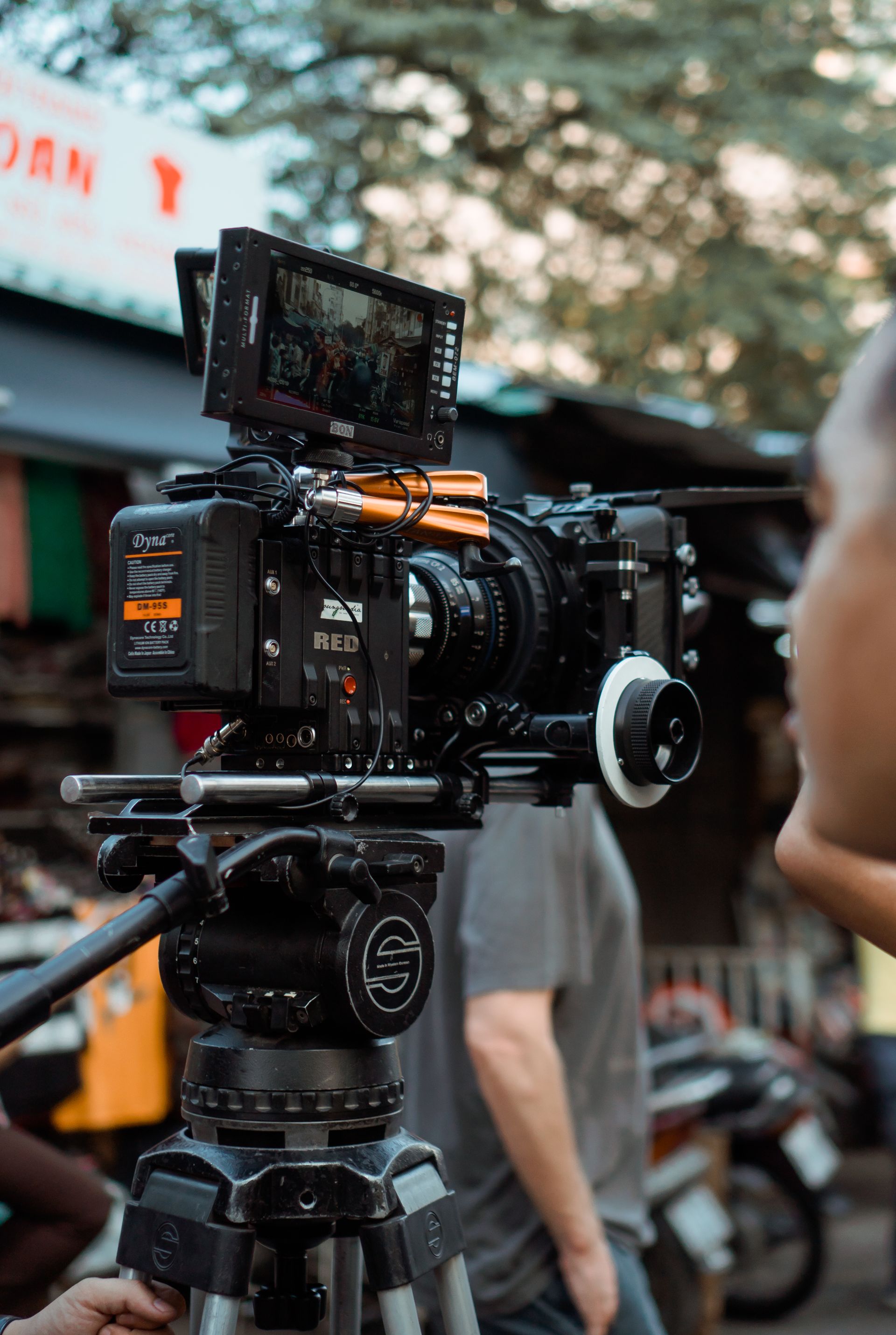
Short and feature-length. We find the person, follow them for as long as it takes, and cut for the festival and the platform.
Rates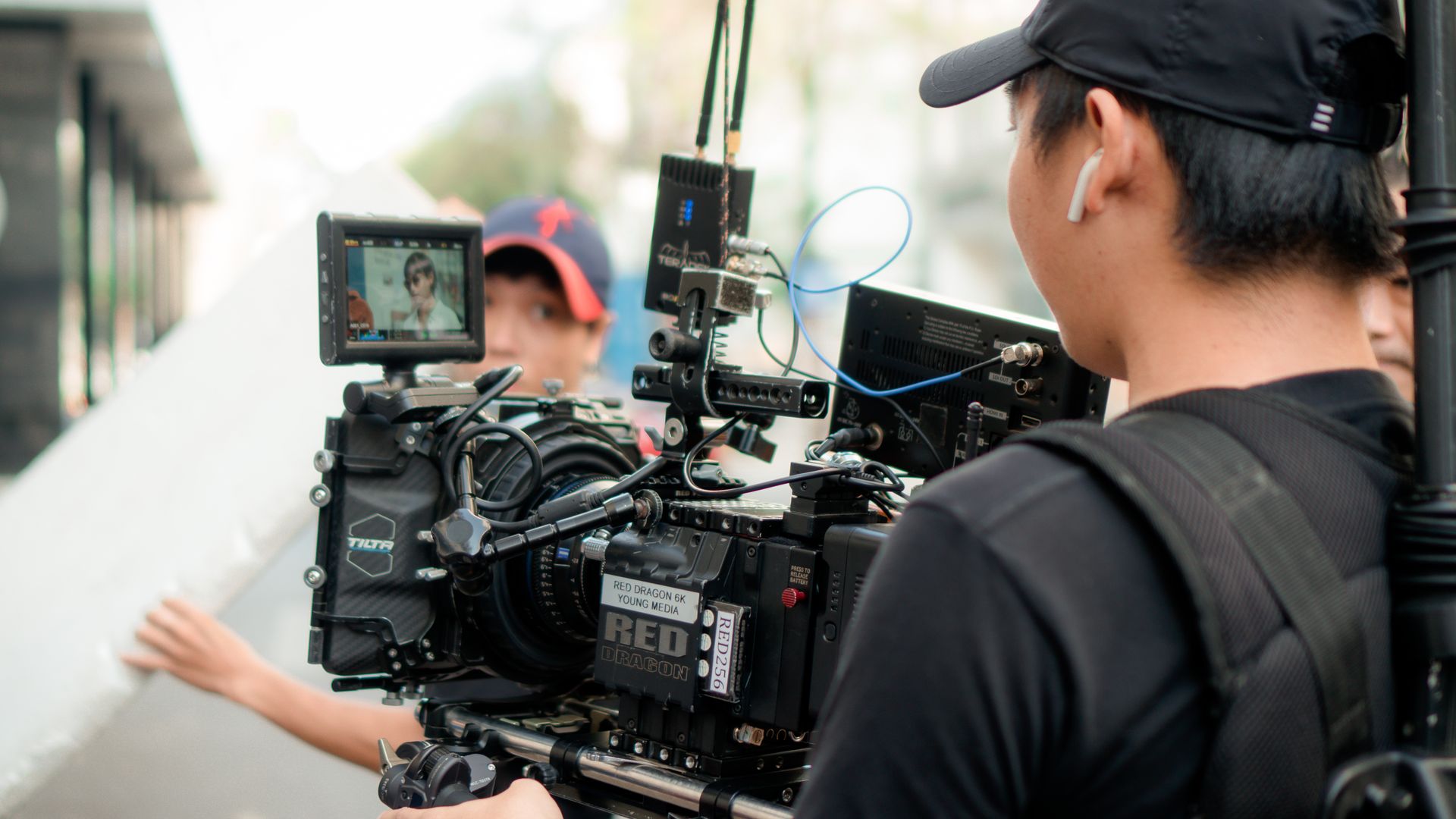
Films for brands with a story rather than a slogan: origin films, series, the piece that lives on the site for five years.
Rates
Edit, grade, sound and mix in our own suite, for our films and for yours. Day rates, no minimum.
RatesShorter than the brief. Every time.
A film is finished when nothing can be taken out.
A bike brand that had never advertised needed to say one thing to a city: the hill is not the reason any more. One rider, one hill, one take.
Aurora had a good bike and a launch date and eleven pages of things to say about it. The hill their office looked out on was the thing every commuter in the city avoided. The brief we wrote back was one sentence: the hill is not the reason any more.
One rider, one hill, one continuous take at dawn, shot from a car on the same road at the same speed. No cutaways, no product shots, no voiceover. The sound is her breathing and, at the top, not much of it. The bike is never named until the last frame.
Thirty seconds on air, sixty online, six cutdowns for the platforms. The one-take film was shared more than every other asset combined; the launch sold through its first production run in nine days.
We sent them eleven pages. They sent back one sentence and a hill. It was the right hill.
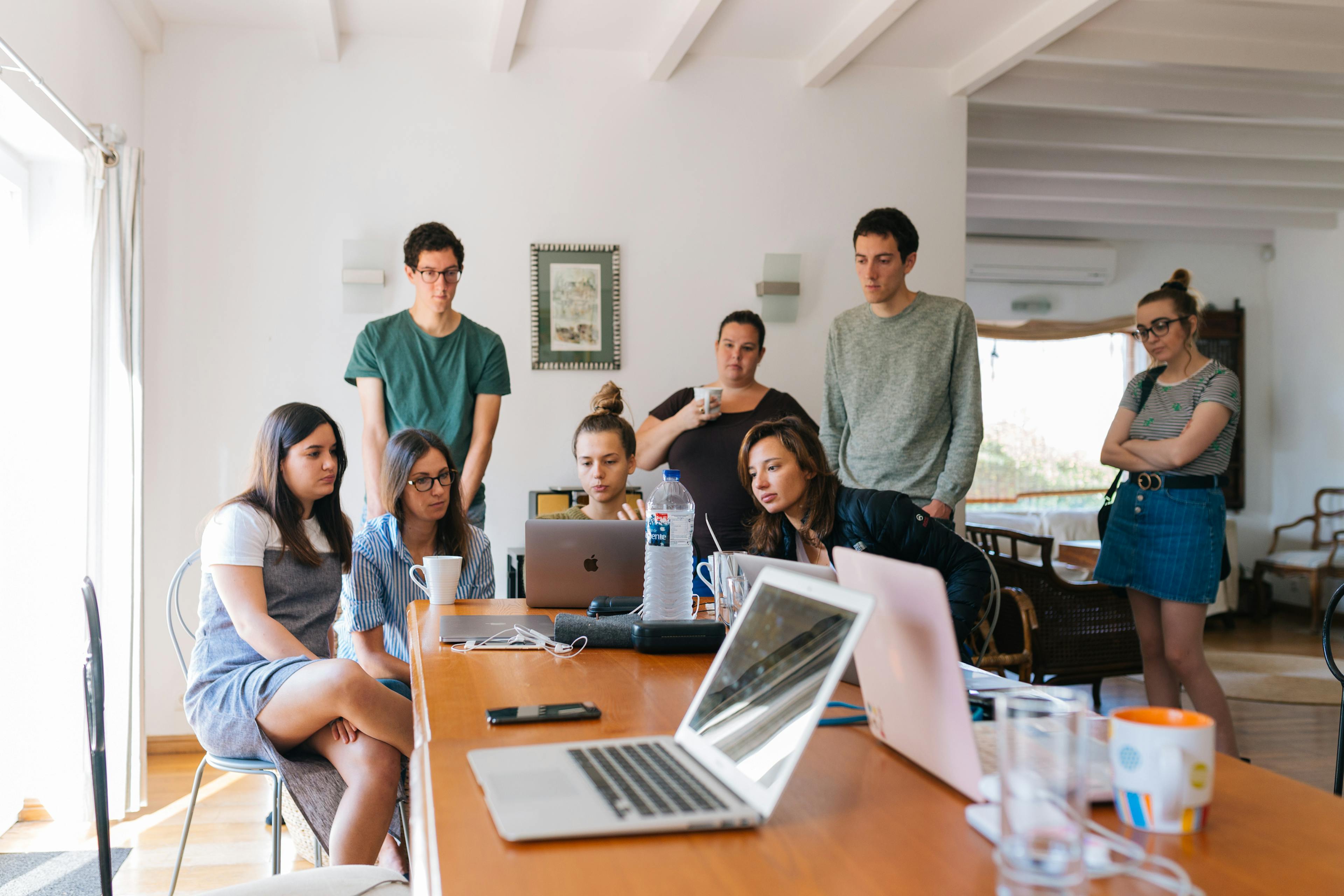
A brief becomes one sentence: what the film is for and who has to feel what. Two days from your email to a treatment.
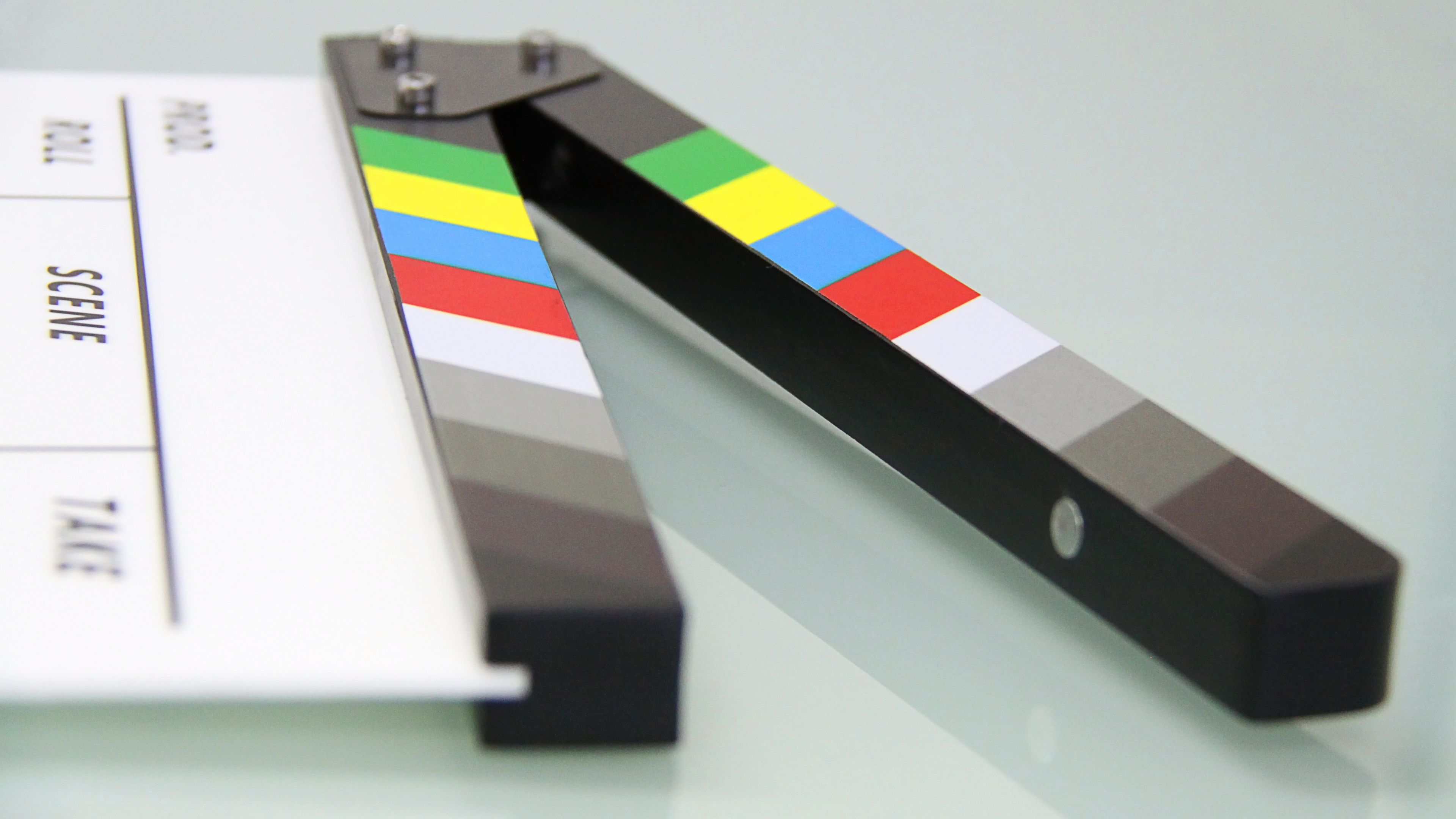
A schedule, a crew list and a fixed number. Locations, cast and the one image that carries the film, decided before anything is booked.
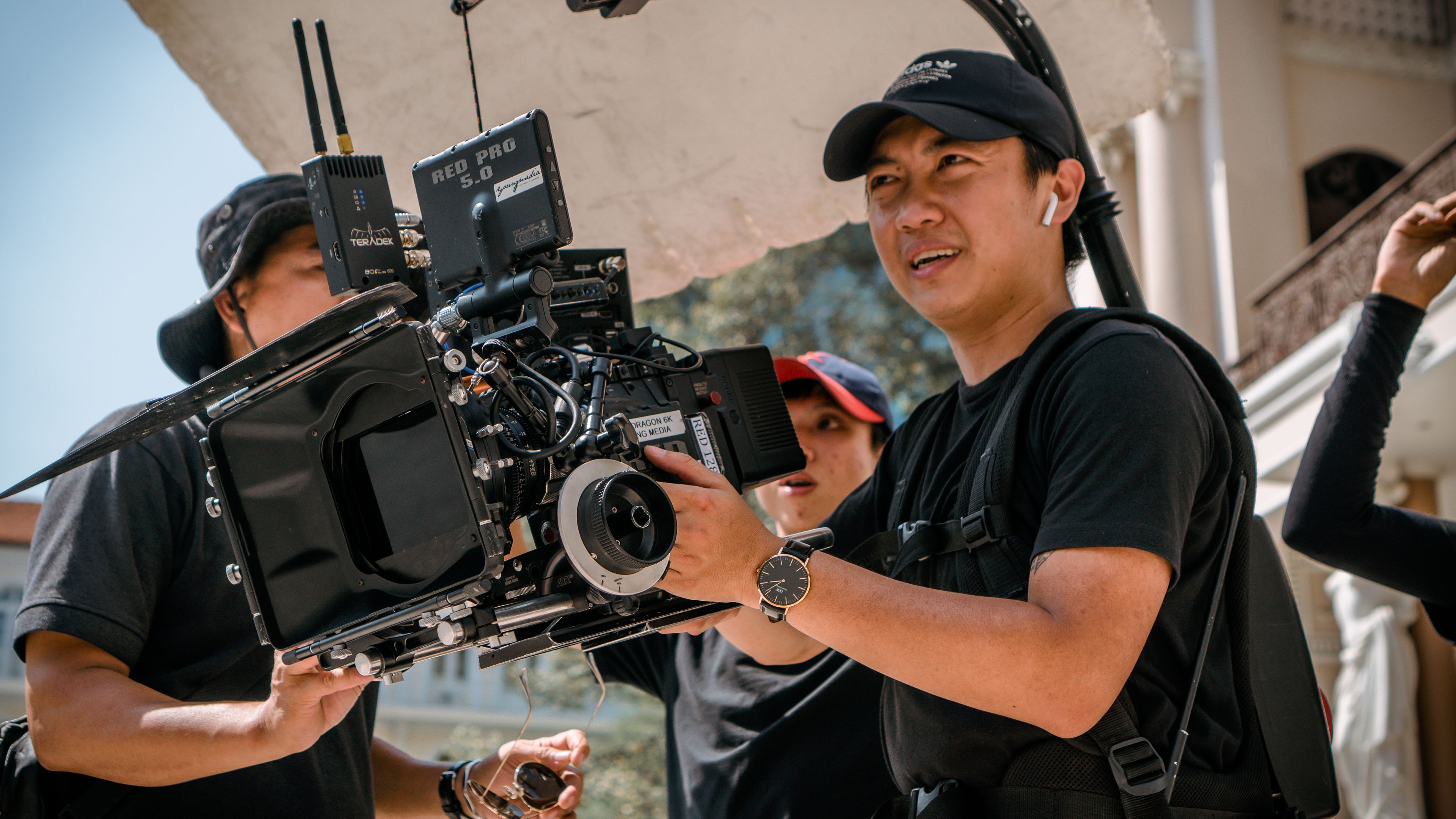
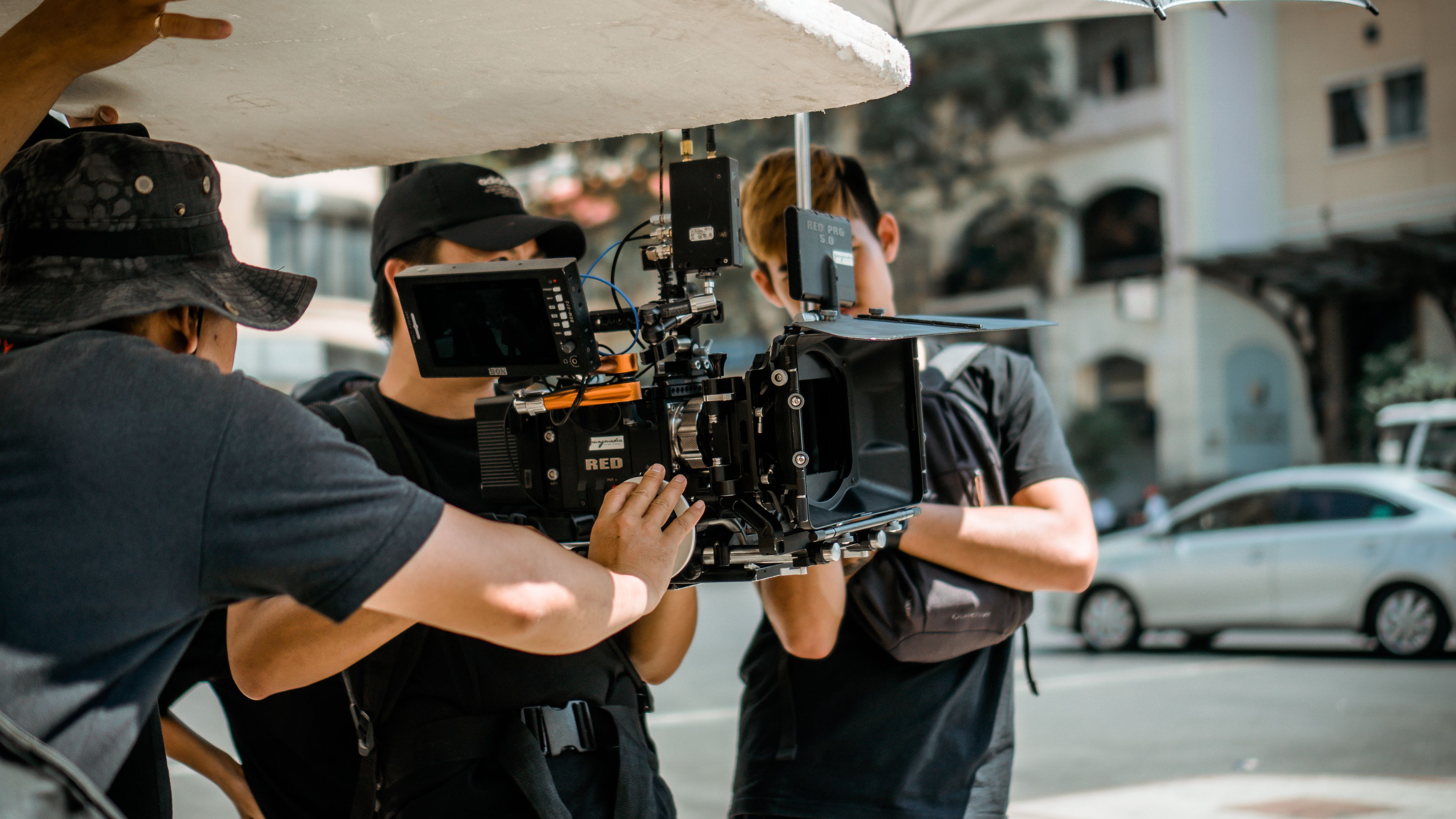
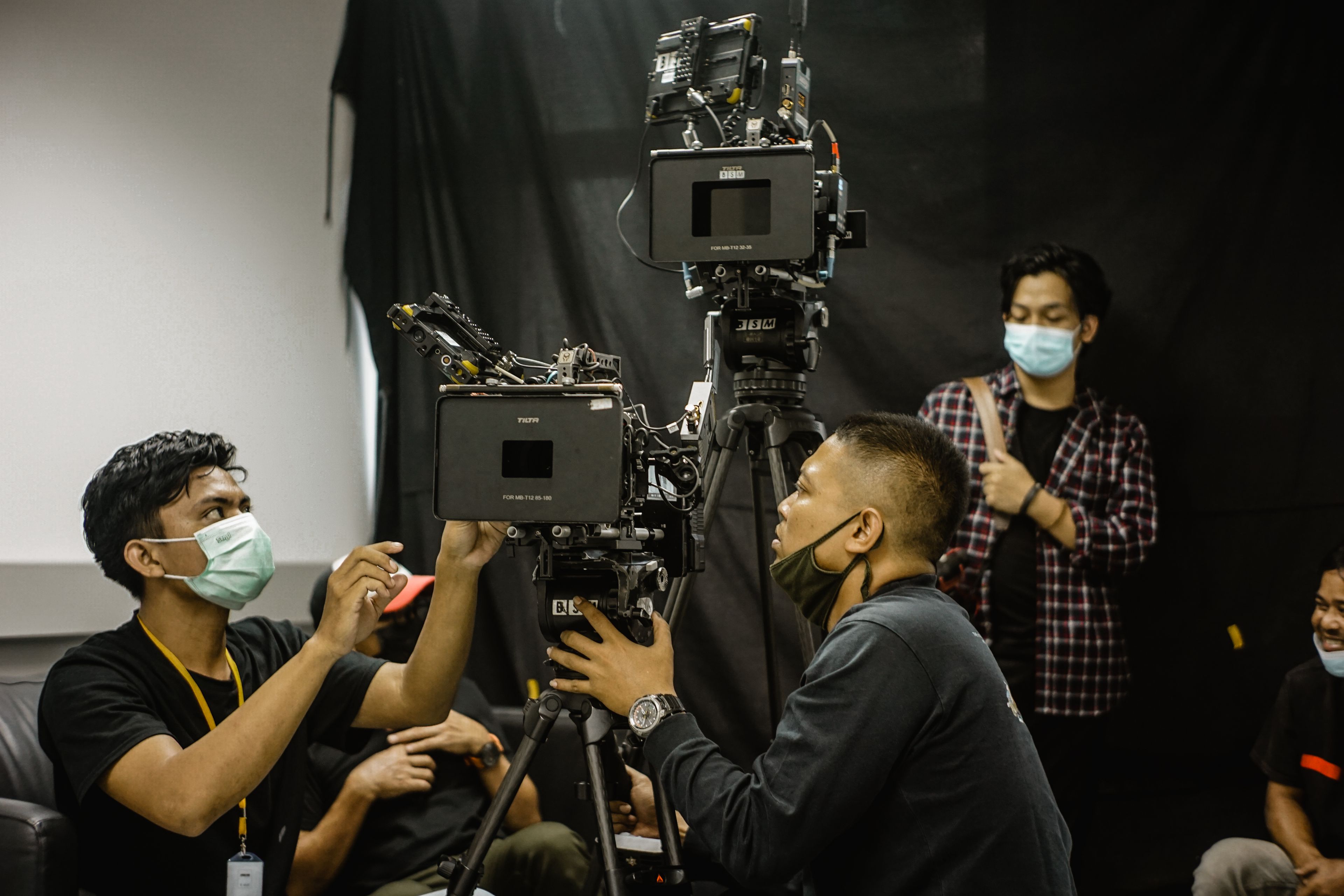
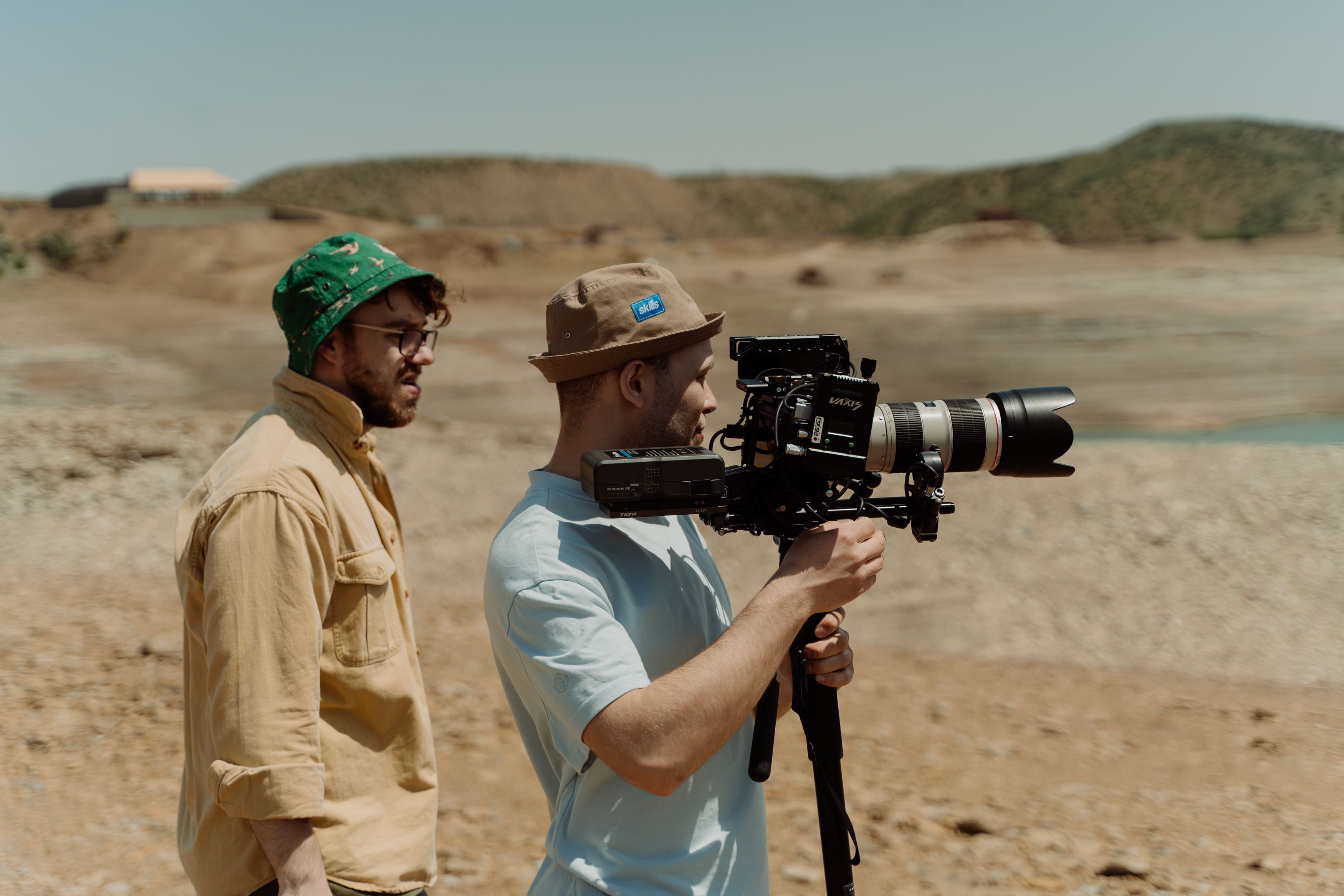
One or two days on set with the same five people. The director who wrote the treatment is the one calling the take.
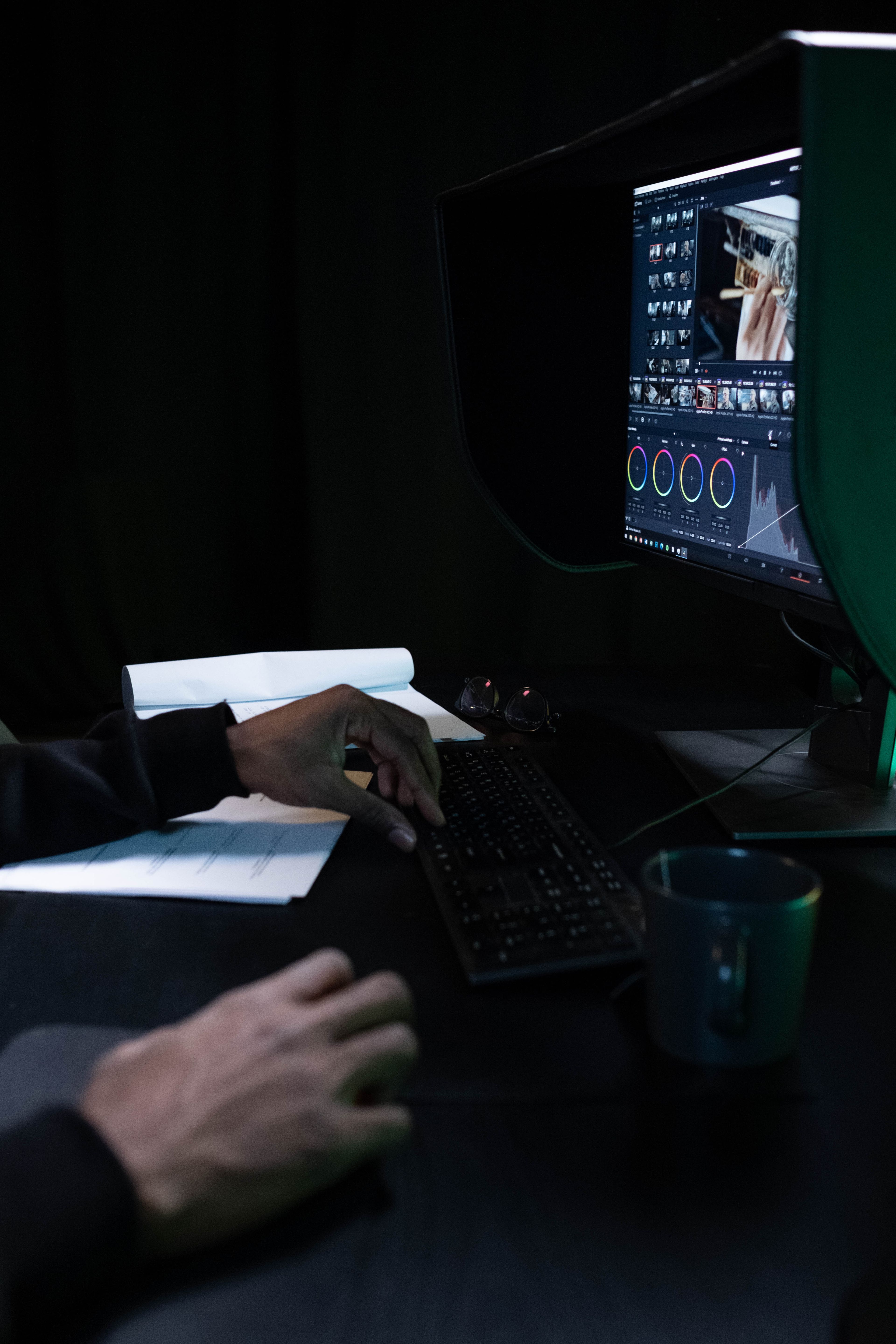
Edit, grade, sound and mix in our own suite. Two rounds of notes, then a film that is shorter than the brief.
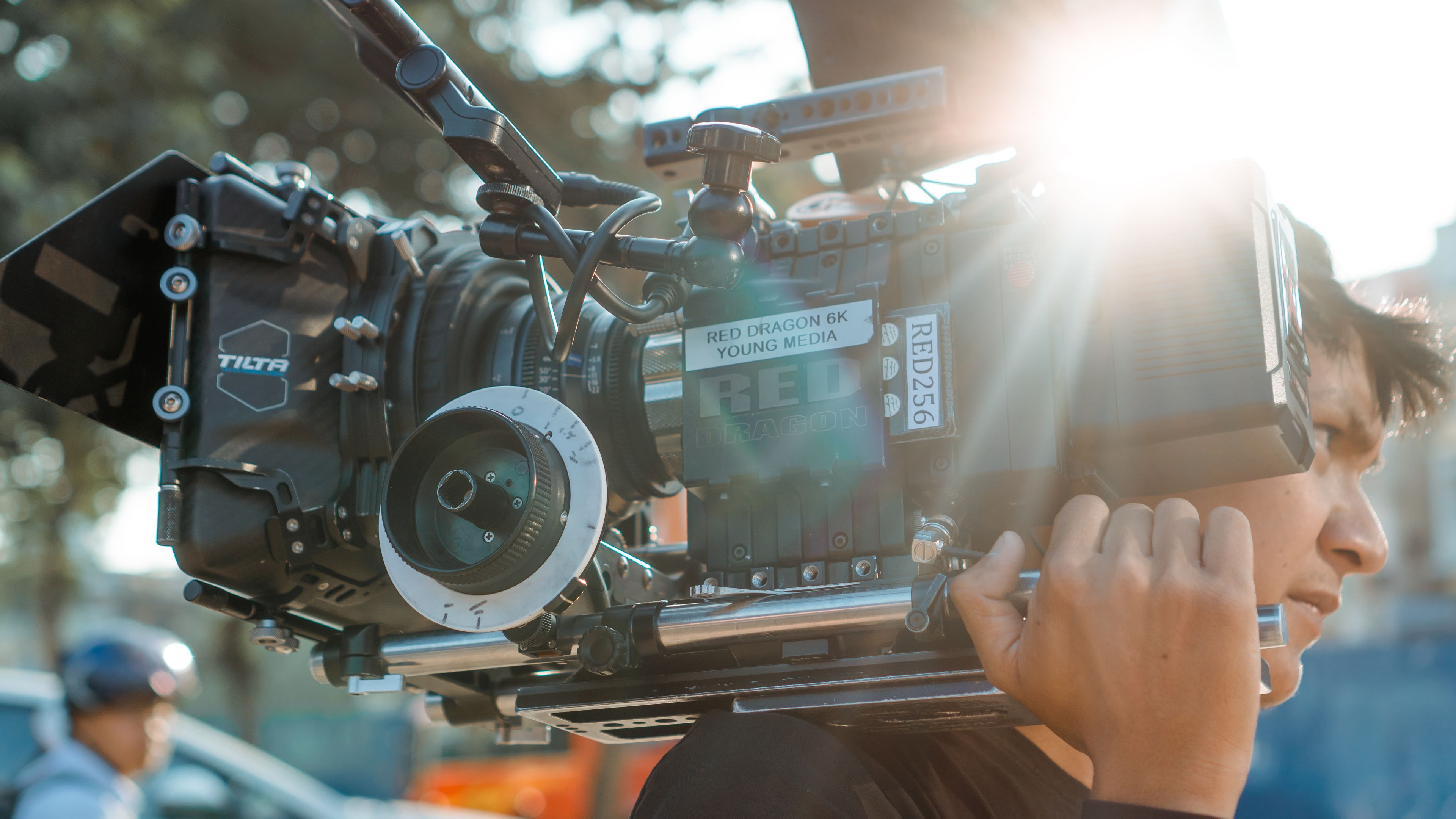
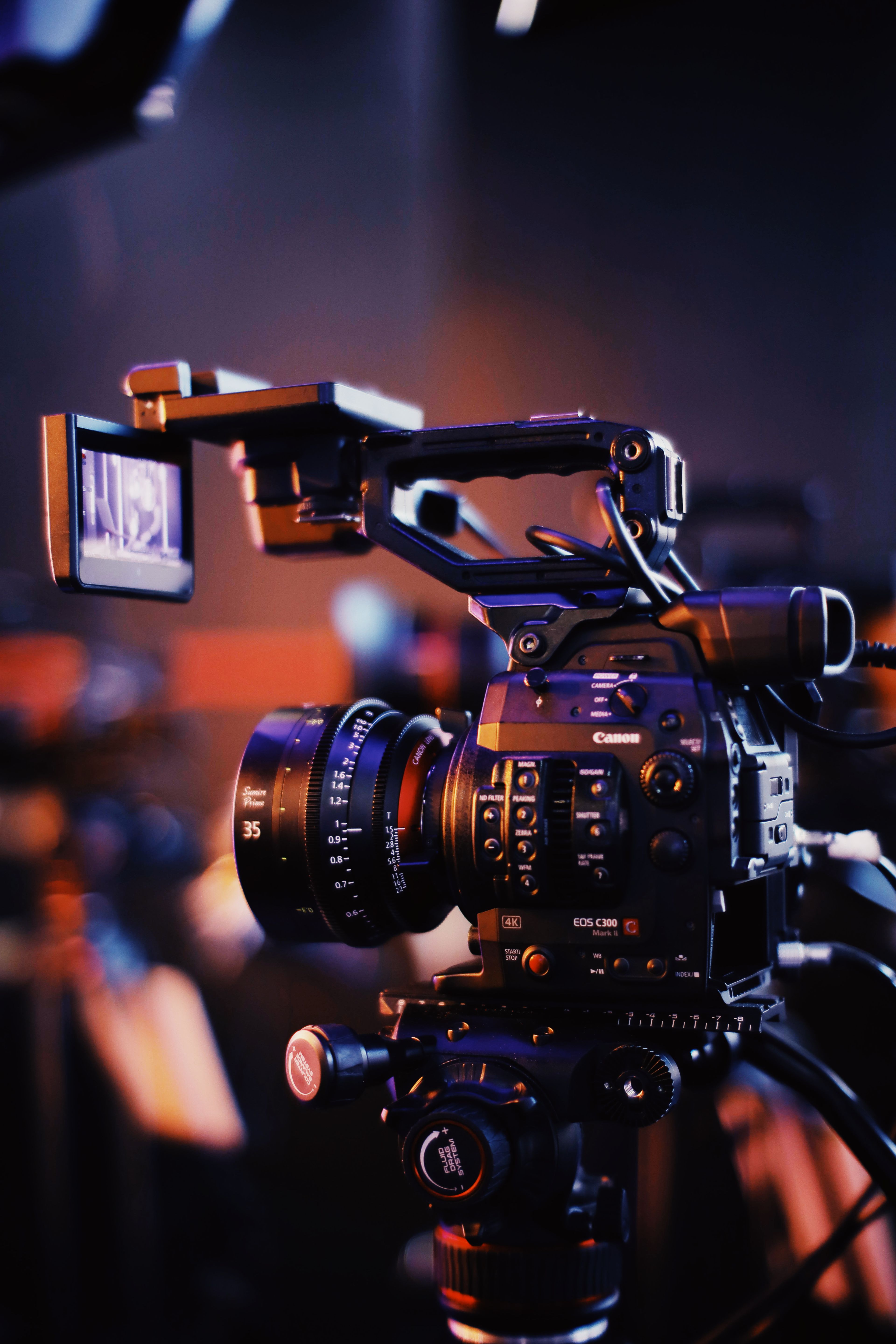
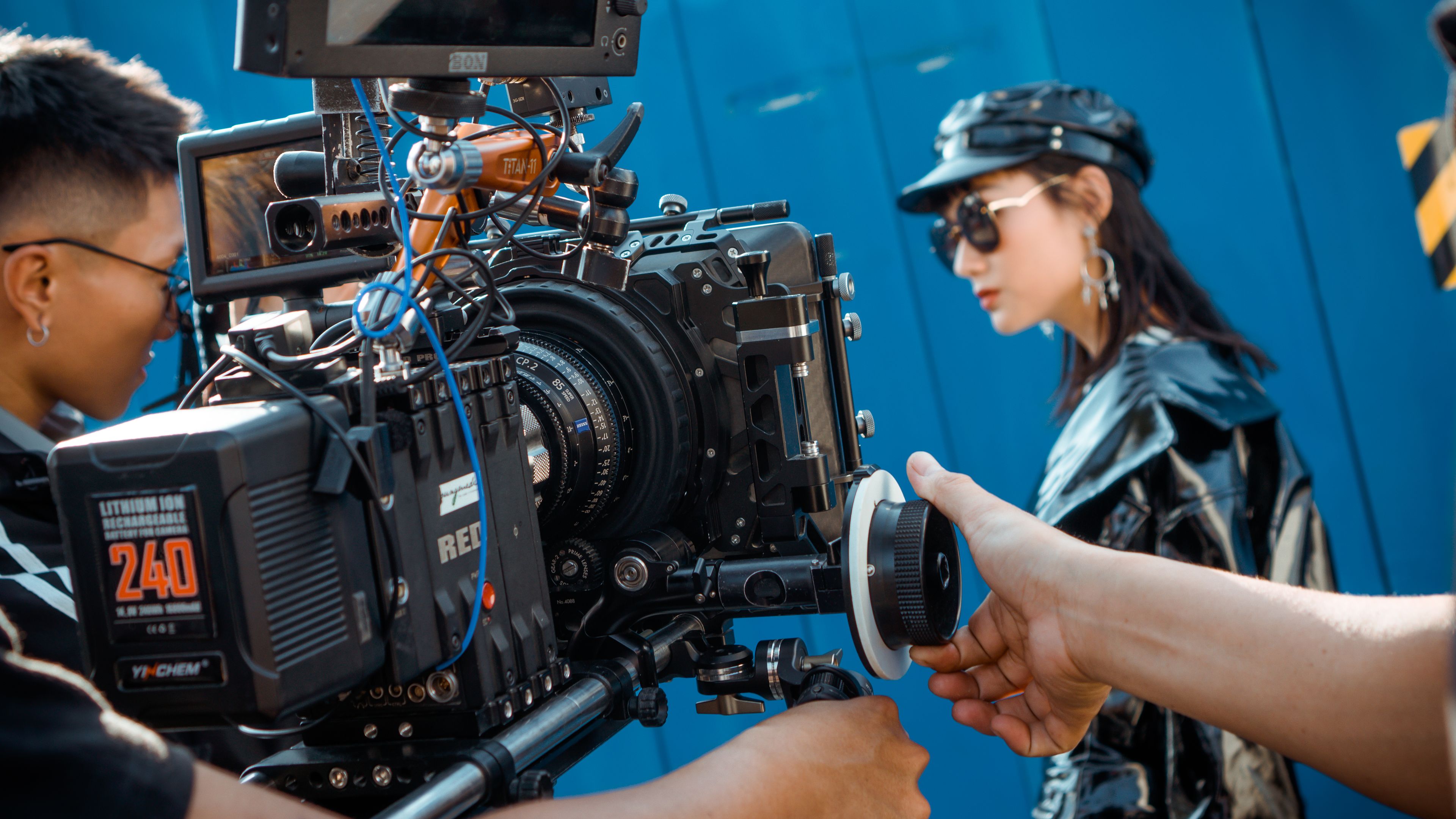
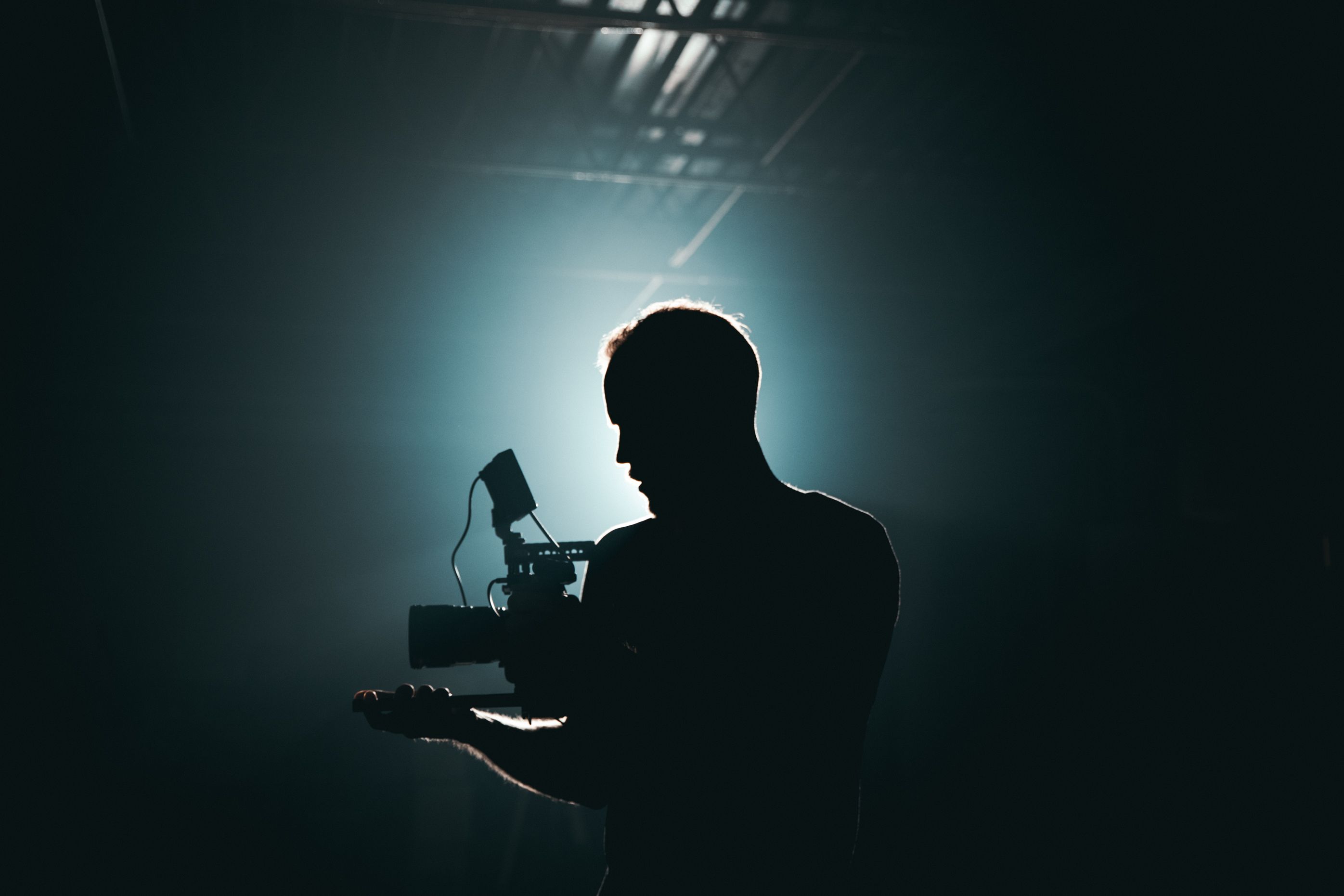
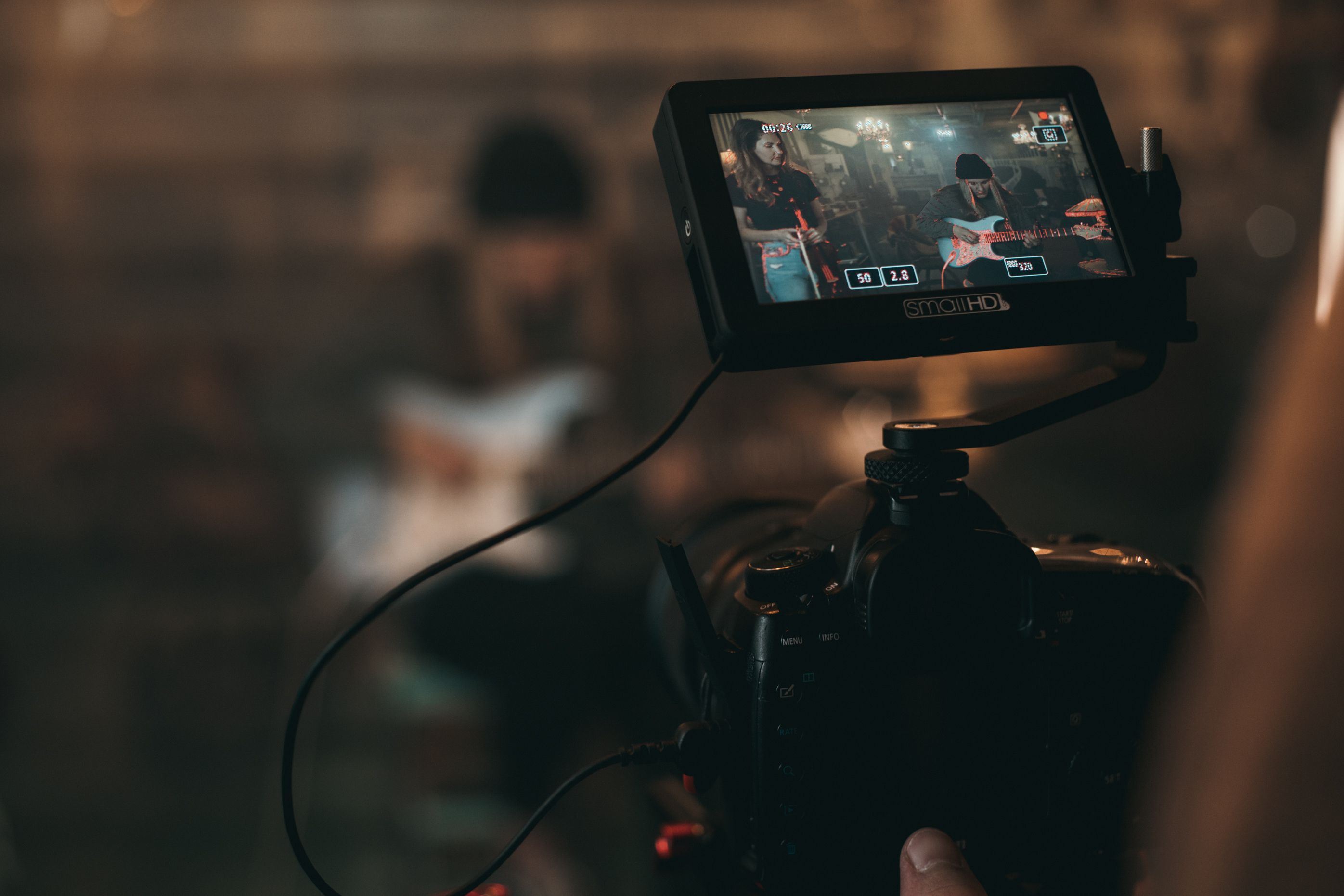
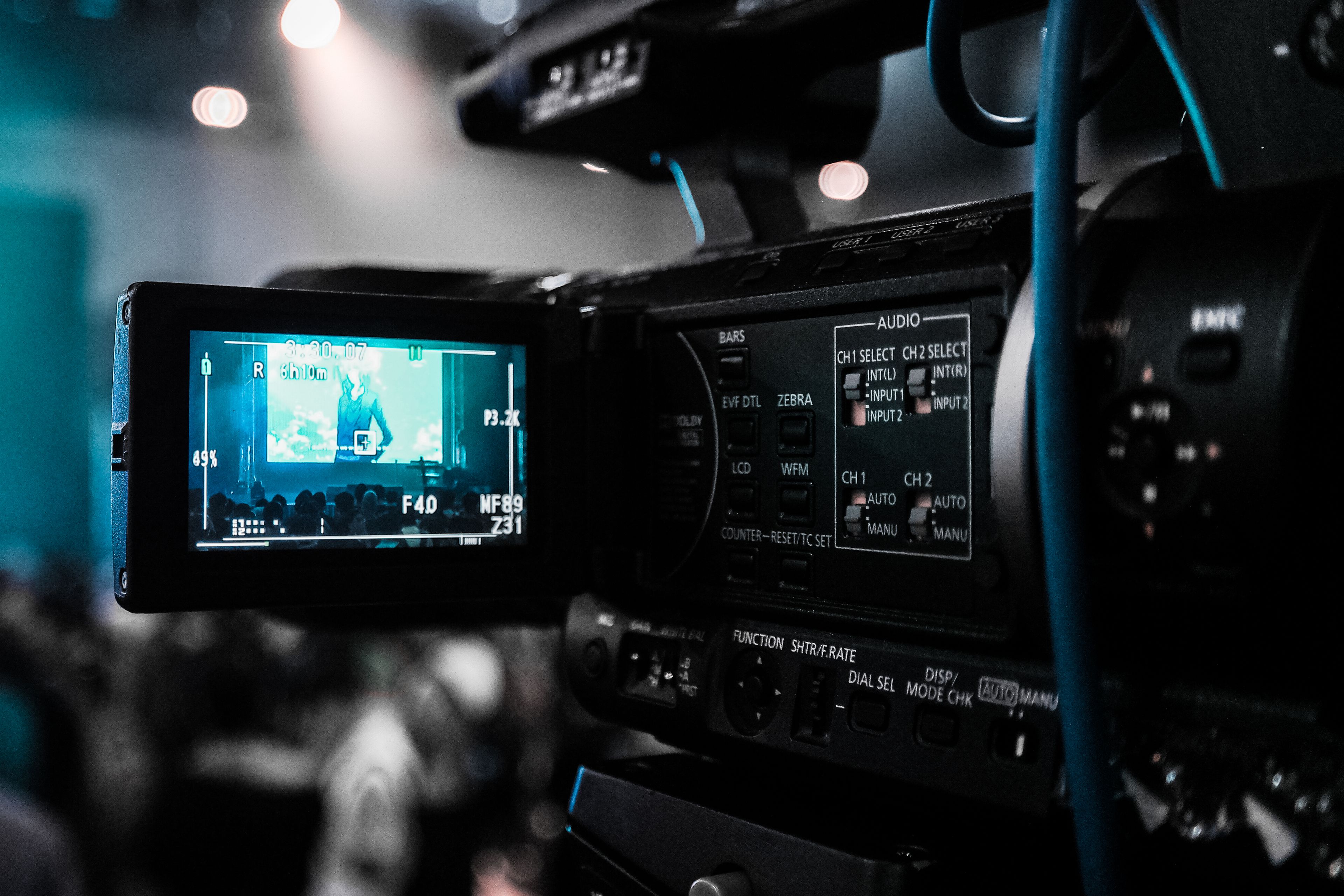
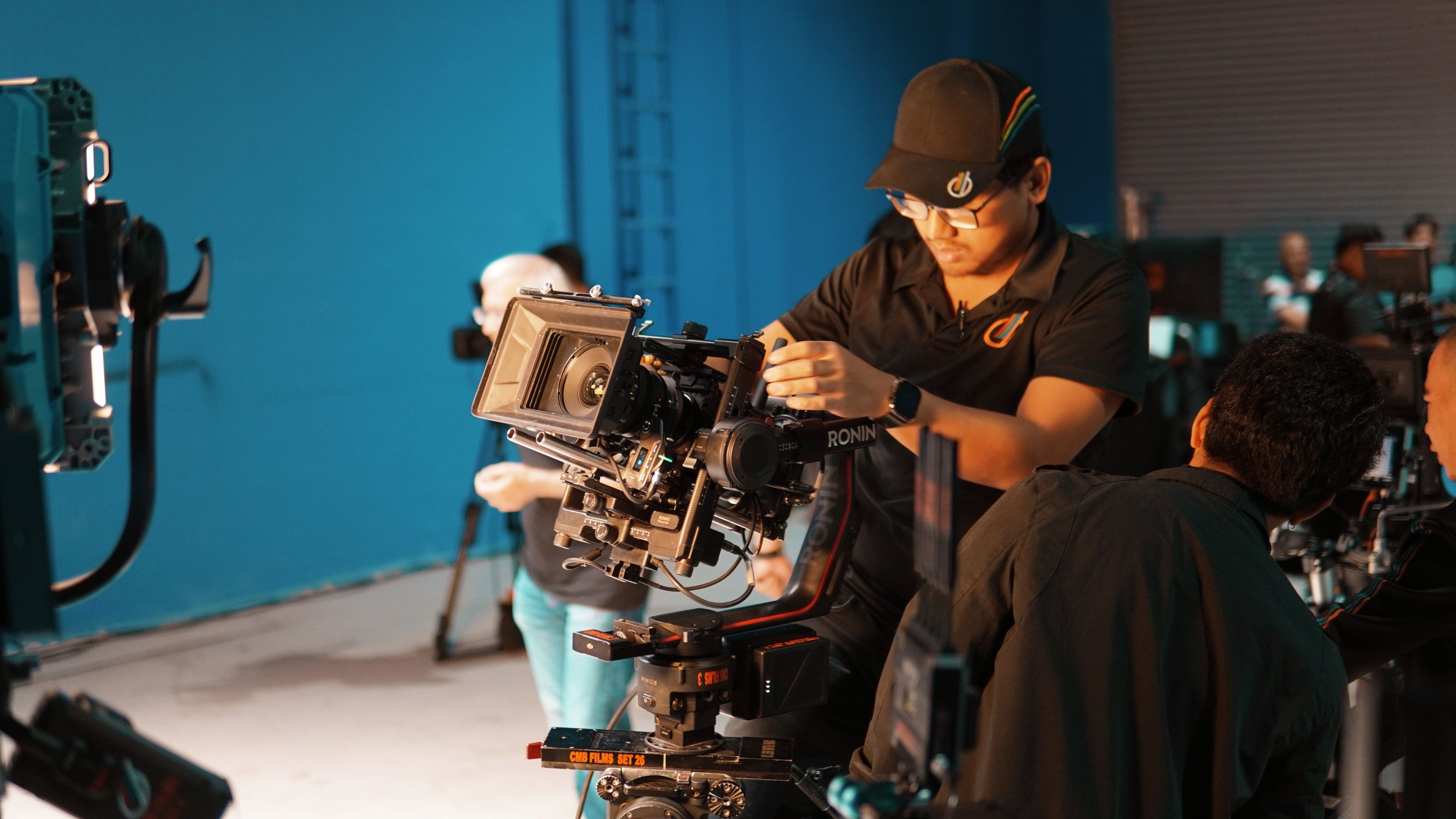
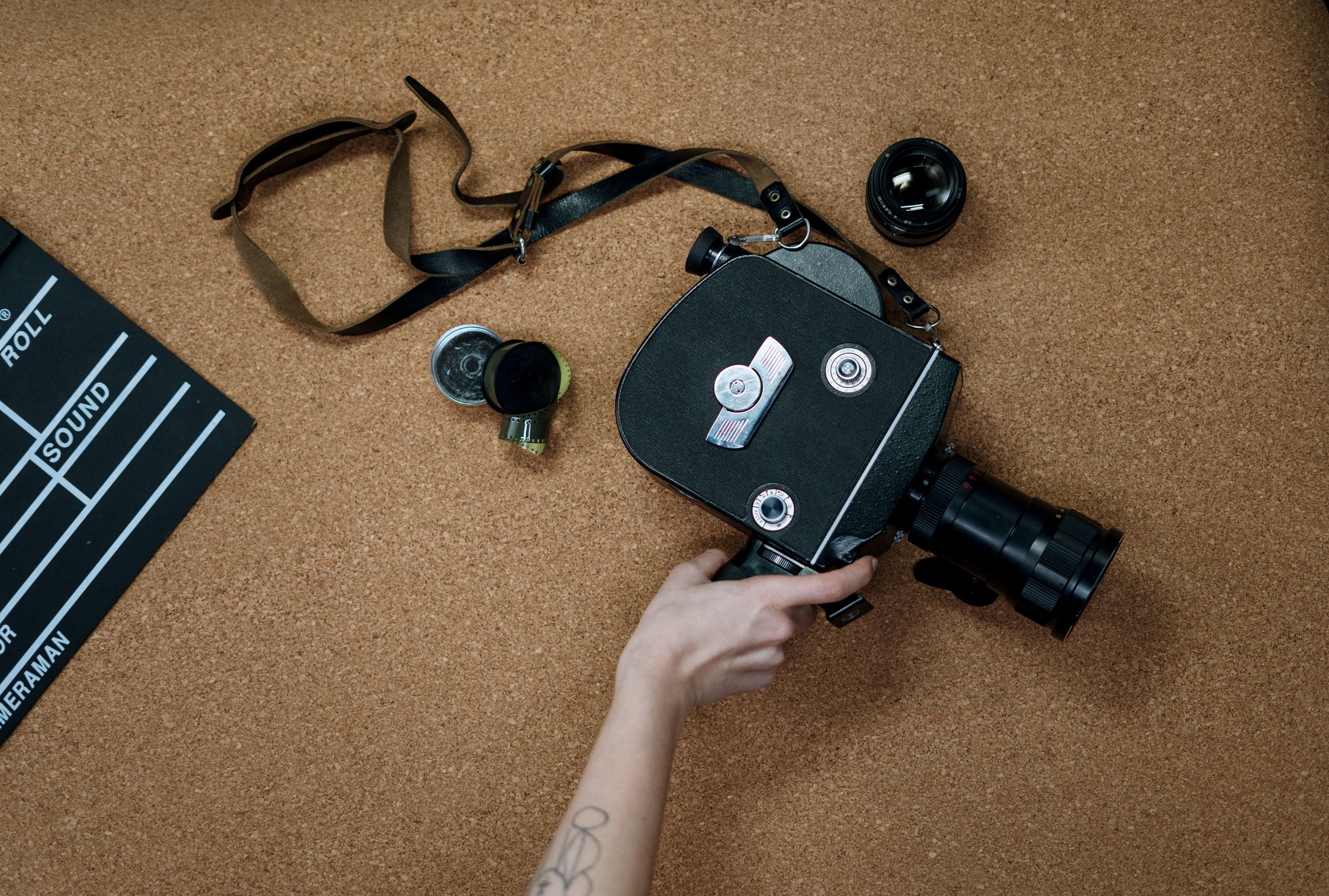
A RED for the commercials and a compact cinema body for the documentaries, with a set of primes we have owned for a decade and know by feel.
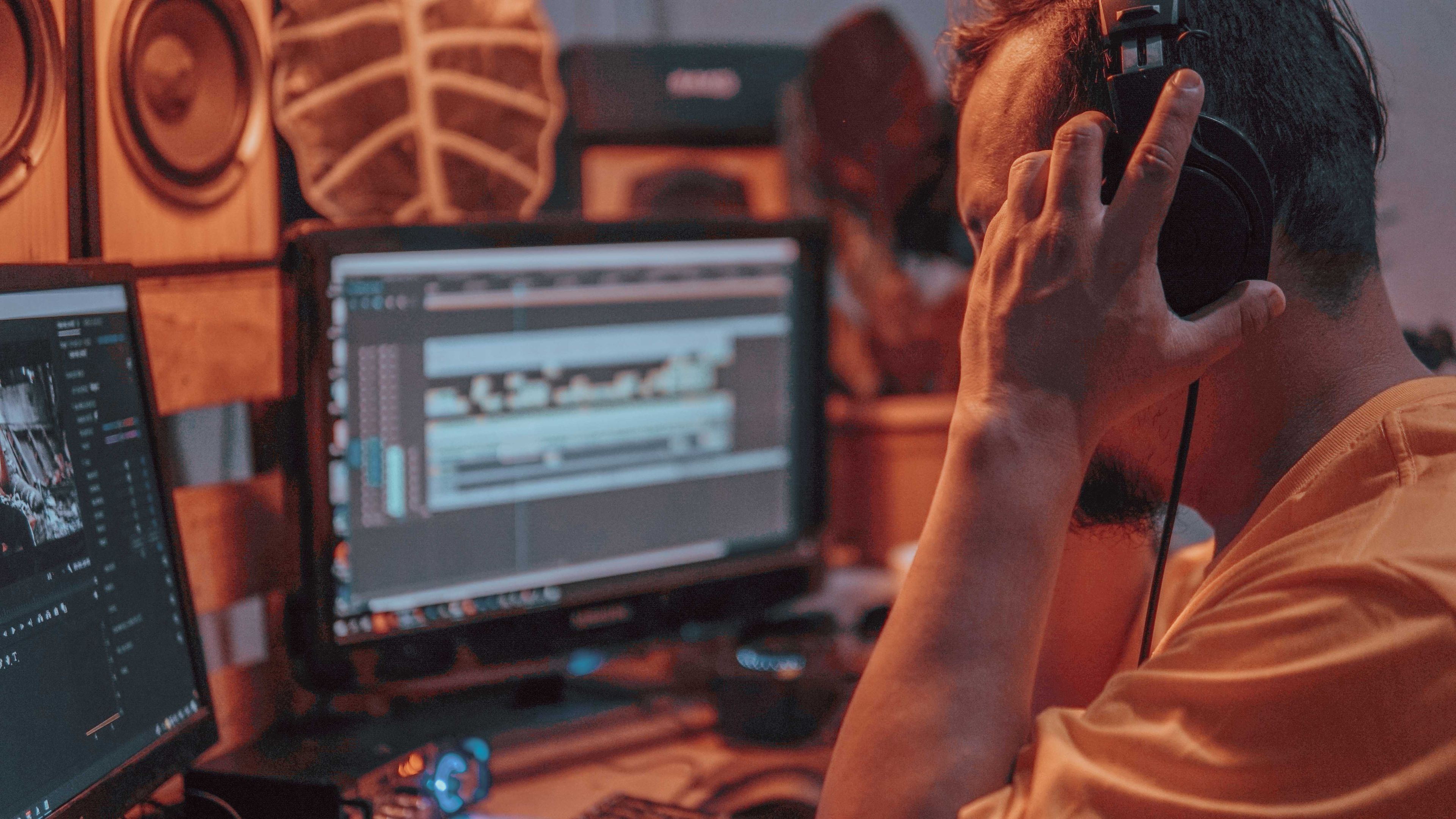
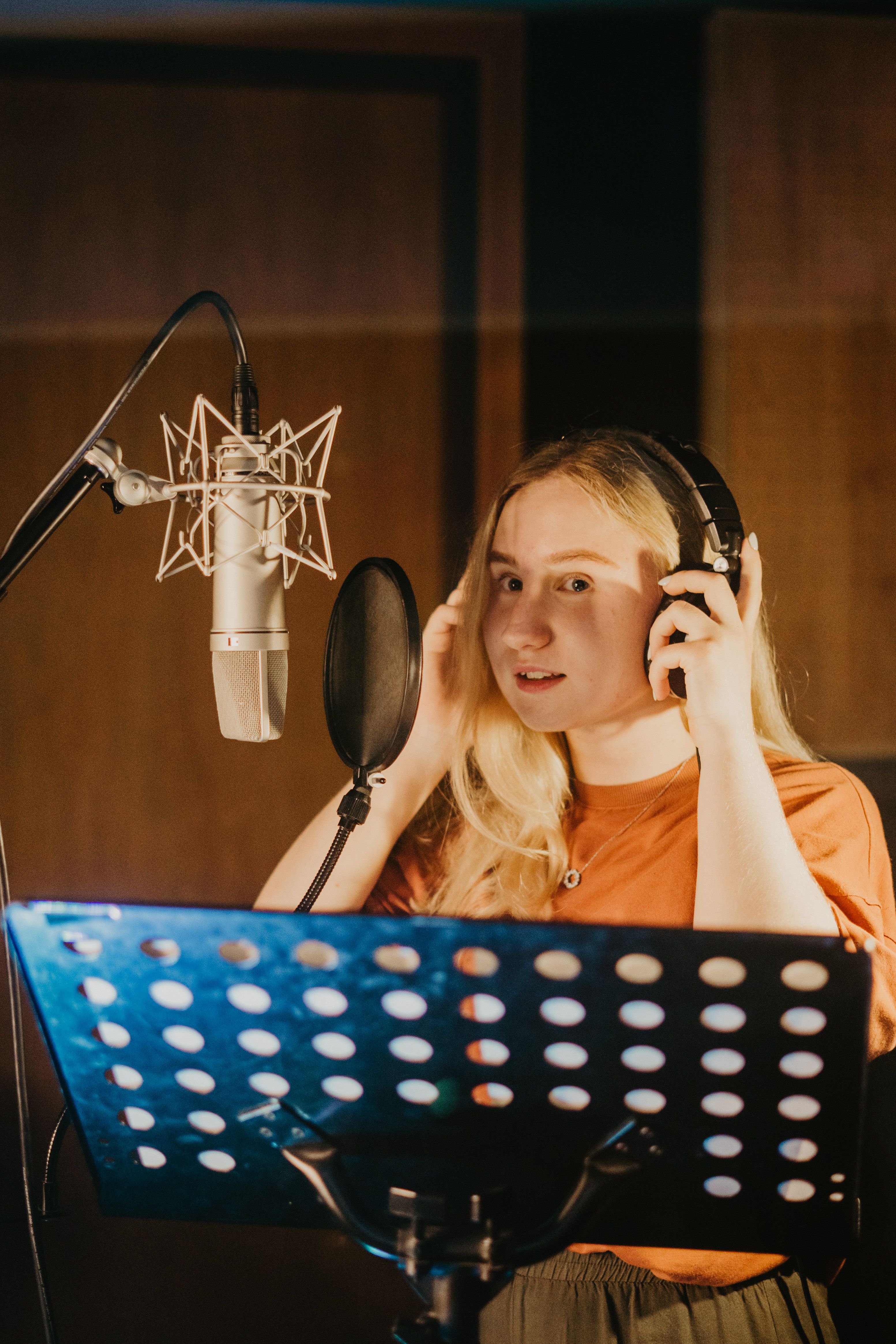
A sound recordist on every shoot day, a voice booth in the studio, and a mix room tuned for the platforms the film will actually play on.

Edit, colour and finishing in the studio. The person who called the take is in the room when it is graded.
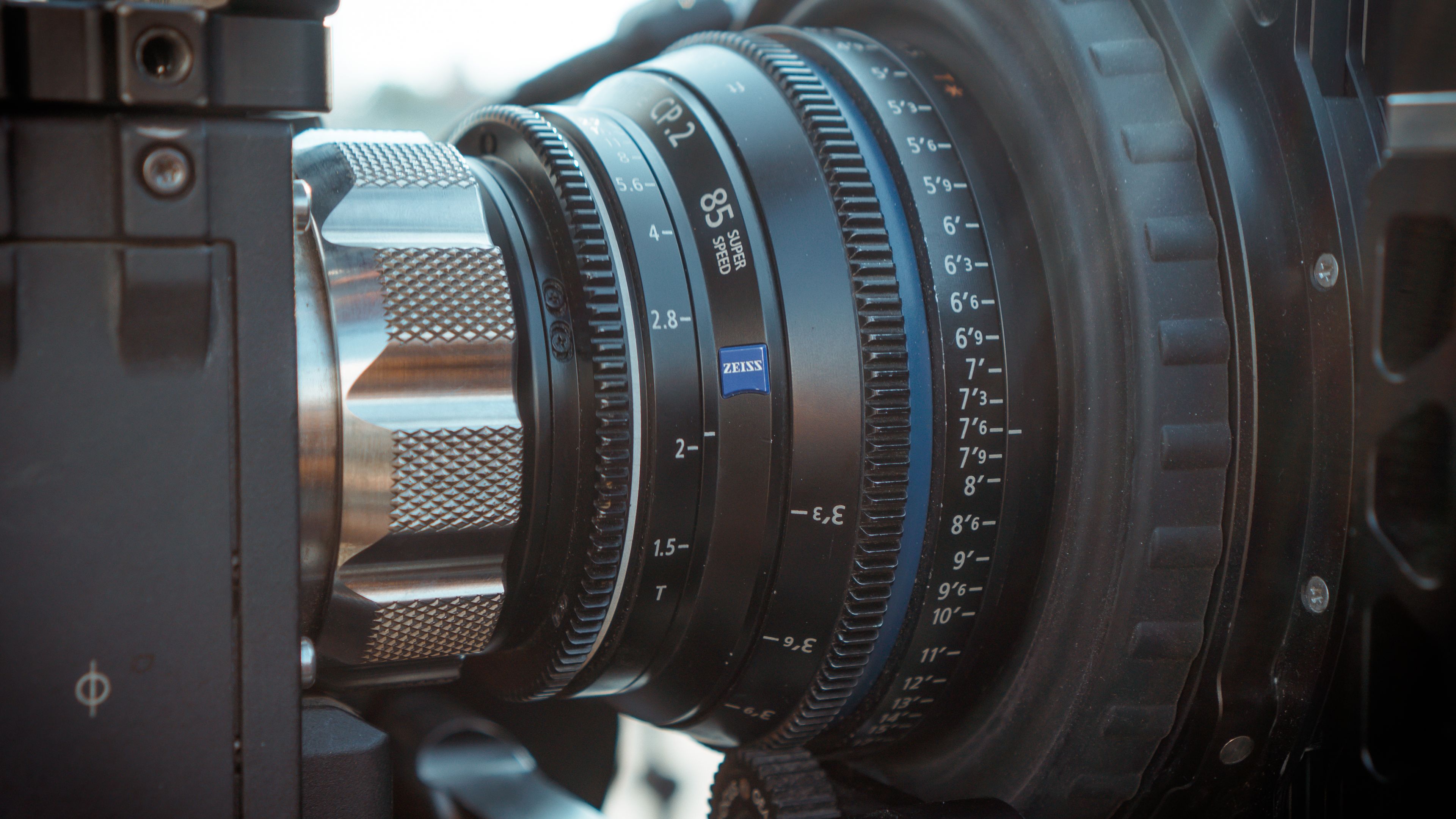
Campaign stills shot on the same day, on the same set, in the same light, so the print and the film match.
“They cut our sixty-second brief to thirty and it said more. Then they told us not to spend on the version we had asked for. That is not what production companies do.”
Honestly. The partners are people we have worked with for years and would hire again tomorrow.
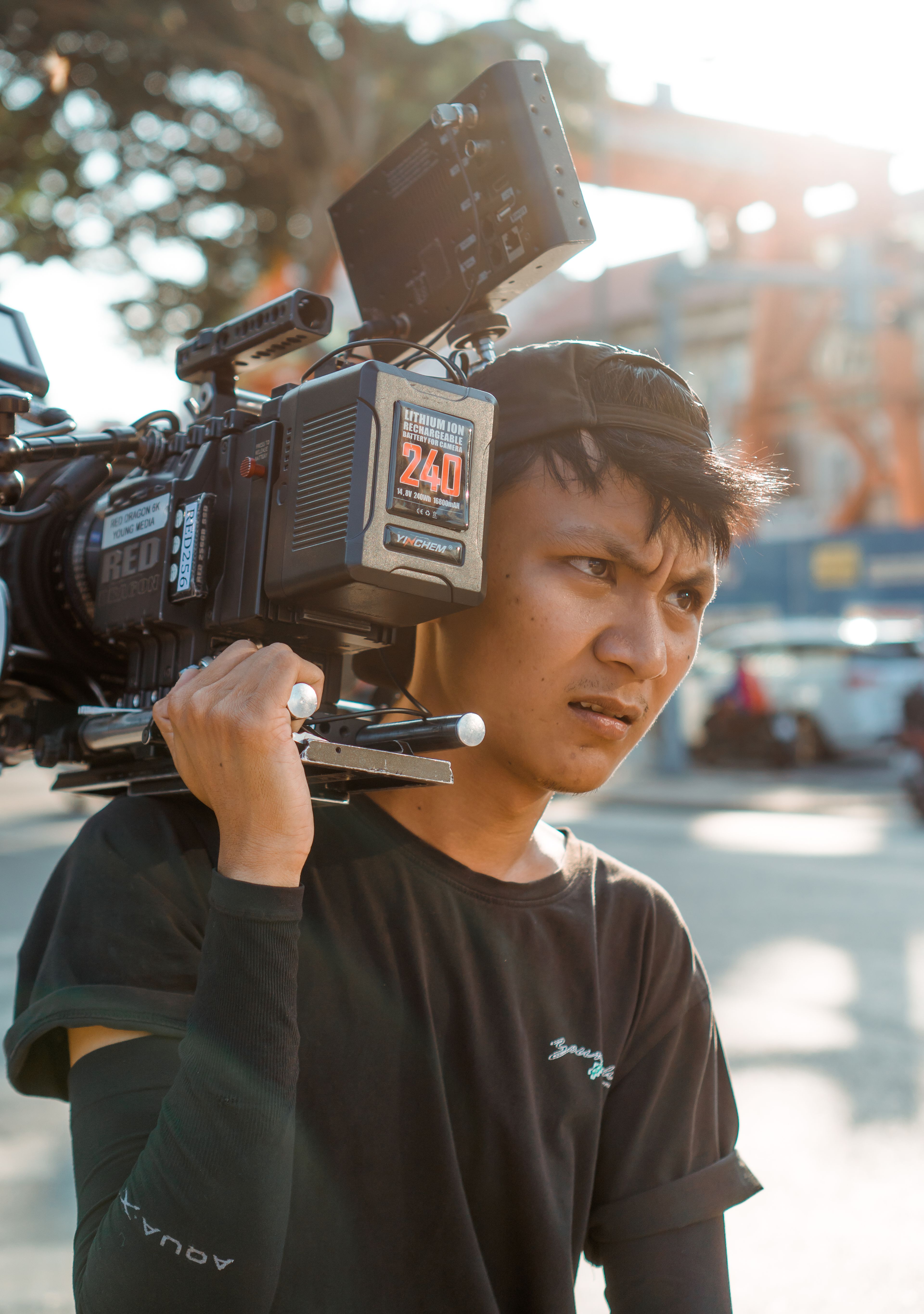
A brief, a budget bracket and a date. We come back within two days with a treatment, a schedule and a number.